Tokyo Smart City Technology 2026: AI & IoT Transforming Luxury Living
How AI, IoT, and 5G are reshaping Tokyo's luxury residential buildings in 2026—from intelligent energy systems and predictive maintenance to autonomous concierge services and zero-emission infrastructure.
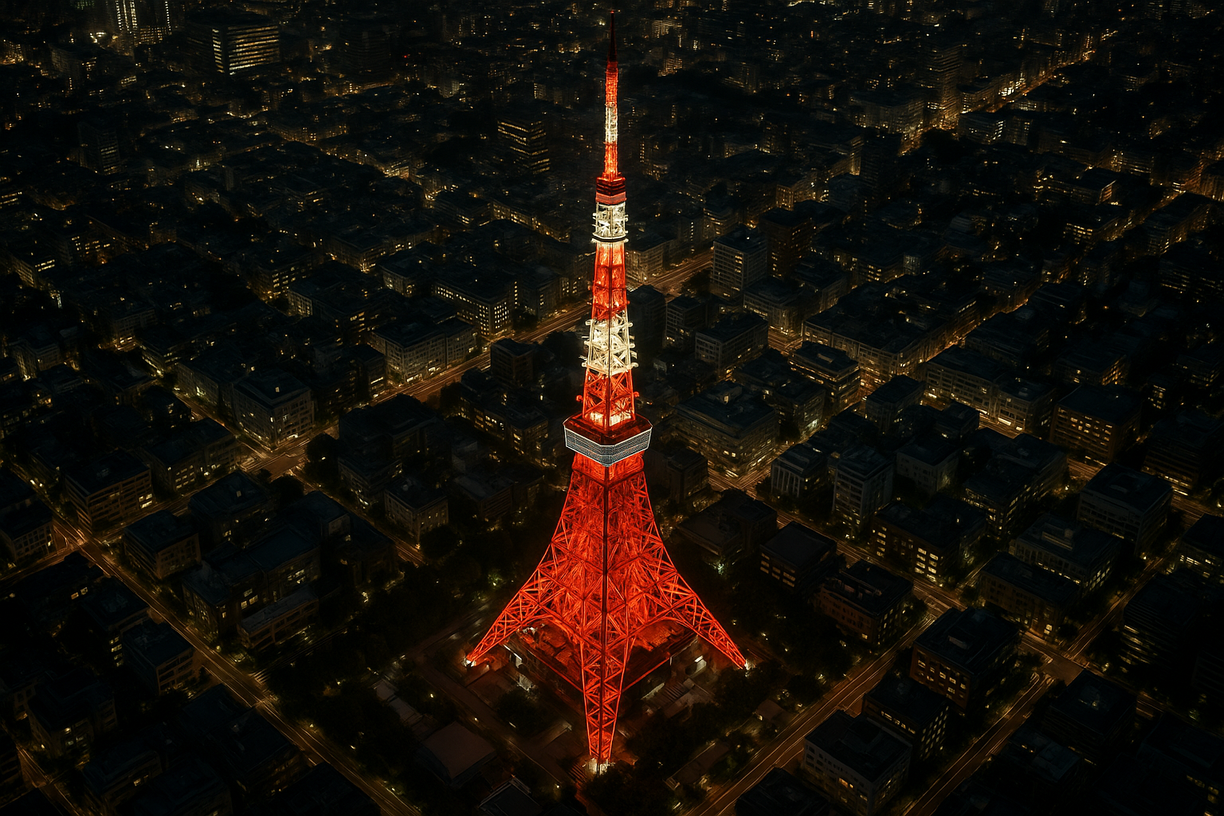
Tokyo Smart City Technology 2026: AI & IoT Transforming Luxury Living
Tokyo has long been celebrated as one of the world's most technologically advanced cities. In 2026, that reputation is being cemented by a wave of AI-driven, IoT-enabled innovation that is rapidly transforming not just the city's infrastructure, but the very nature of luxury residential living. For residents of Tokyo's premium towers and for buyers evaluating where to invest, understanding these technological shifts is now as important as understanding price-per-square-meter metrics.
Tokyo's Smart City Vision: "Smart Tokyo"
The Tokyo Metropolitan Government has articulated an ambitious vision: to create "Smart Tokyo"—the world's most information-technology-enabled, convenient, and comfortable city. This is not a distant aspiration. The metropolitan government allocated ¥350 billion in 2023 alone for AI-driven infrastructure improvements, and that investment is now producing visible results across residential, commercial, and public infrastructure.
Tokyo is a core pillar of Japan's national Society 5.0 framework—a vision for a data-driven, human-centric next-generation society that uses AI, big data, and IoT to provide intelligent solutions to urban challenges ranging from aging populations to climate change.
Smart Cities Market Growth
- Japan's smart cities market: Valued at US$63.15 billion in 2024; projected to reach US$216.99 billion by 2033 (CAGR of 14.7%)
- Global urban IoT spending: On track to exceed $40 billion by 2026
- Tokyo's position: Consistently ranks among the top 3 smart cities globally
IoT in Tokyo's Buildings: 2026 State of the Art
Intelligent Energy Management
Energy efficiency is no longer a "nice to have" in Tokyo's luxury buildings—it is a regulatory expectation and a competitive differentiator. In 2026, leading developments feature:
- IoT sensors that automatically adjust lighting, temperature, and ventilation based on real-time occupancy data and weather conditions
- Smart meters and grids enabling dynamic electricity distribution, reducing waste and lowering utility costs for residents
- Fujitsu-class energy monitoring systems providing granular, real-time insights into building-wide energy consumption—enabling facility managers to reduce usage by up to 20%
- Photovoltaic integration: Solar panels combined with building-level battery storage, feeding renewable energy back into the smart grid
- Predictive HVAC systems: AI models that learn seasonal and daily occupancy patterns, pre-conditioning spaces before residents arrive
Environmental Sensing Network
Tokyo has deployed a network of over 5,000 environmental sensors across the city, generating real-time data on air quality, noise levels, temperature gradients, and humidity. Luxury buildings integrate with this municipal data layer to:
- Automatically close fresh-air intakes during pollution events
- Provide residents with real-time air quality dashboards via dedicated apps
- Trigger localized ventilation adjustments within individual units
Smart Security and Access
- Biometric access control: Facial recognition and fingerprint systems replace physical keys at lobby, elevator, and unit entry points
- AI-powered CCTV: Systems that detect anomalous behavior patterns, rather than simply recording footage, and alert security personnel in real time
- Visitor management automation: Digital invitation systems allow residents to grant time-limited access to guests and service providers remotely
- Package and delivery management: Automated lockers integrated with major delivery platforms ensure contactless, secure package handling 24/7
Intelligent Concierge Services
AI is transforming the concierge function in Tokyo's premium towers:
- Natural language AI assistants (multilingual, including English and Japanese) available 24/7 via in-unit touchscreens and smartphone apps
- Predictive service delivery: Systems that learn resident preferences and proactively prepare services—pre-warming pools, booking regular grocery delivery slots, scheduling maintenance
- Service robot integration: Robotic delivery carts navigate building corridors autonomously, ferrying packages, laundry, and amenity items to residents
AI-Driven Infrastructure: City-Wide Impact
Mobility and Transportation
- Adaptive traffic signal systems using AI to reduce intersection wait times and prioritize emergency vehicles in real time
- Smart parking guidance: Sensors and AI routing direct drivers to available spaces, reducing congestion around luxury residential towers
- Integrated mobility platforms: Apps that seamlessly combine JR train times, subway alerts, taxi availability, and bicycle sharing into single journey-planning interfaces
The Shinagawa Maglev Corridor
One of Tokyo's most significant urban development projects centers on Shinagawa—the planned terminal for the Linear Chuo Shinkansen maglev rail line. The super-high-speed maglev will shorten Tokyo–Nagoya travel to approximately 40 minutes and Tokyo–Osaka/Kyoto to around 60 minutes. The Georgia Tech Tokyo Smart City Studio is studying the Shinagawa waterfront area in anticipation of a decade of large-scale mixed-use development that will integrate smart city technology from the ground up.
For luxury real estate investors, early positions in Shinagawa and the Tokyo Bay corridor represent one of the clearest infrastructure-driven value propositions of the decade.
Sustainability: Zero-Emission Buildings by 2050
Tokyo's smart city ambitions are inseparable from its environmental commitments. The city's Zero-Emission Tokyo strategy targets carbon neutrality by 2050, with major milestones planned throughout this decade.
Current Progress
- The Tokyo Cap-and-Trade Program (TCTP), launched in 2010, has achieved a 33% reduction in greenhouse gas emissions from covered entities below base-year levels
- In fiscal 2021, emissions from covered entities totaled 11.1 million tonnes CO₂—down 22% from when the program began
- Renewable energy mandates now apply to large new residential developments
2026 Green Building Standards for Luxury Developments
- ZEB (Zero Energy Building) certification is increasingly required for premium towers receiving public development incentives
- CASBEE (Comprehensive Assessment System for Built Environment Efficiency) ratings drive buyer and tenant decision-making
- Green rooftops and vertical gardens: Not merely aesthetic—integrated with stormwater management and urban heat island mitigation systems
- Electric vehicle charging infrastructure: Mandatory in new developments above a certain scale; managed by AI systems to balance grid load
Circular Economy Integration
Leading luxury buildings in 2026 are adopting circular economy principles:
- Greywater recycling systems for irrigation and non-potable uses
- Food waste composting integrated with building waste management platforms
- Sustainable materials sourcing tracked via blockchain for provenance transparency
5G and Connectivity: The Foundation Layer
5G coverage across Tokyo's 23 wards is now effectively ubiquitous, enabling the high-bandwidth, low-latency connectivity that underpins smart building systems. Key implications:
- Real-time data processing: Building management systems can process sensor data and trigger automated responses in milliseconds rather than seconds
- Augmented reality maintenance: Facility engineers use AR headsets guided by AI to diagnose and repair building systems faster and with fewer errors
- Telemedicine integration: Premium residences increasingly offer in-unit telemedicine consultation rooms with high-resolution video and integrated biometric monitoring
- High-speed residential networks: Gigabit fiber combined with 5G in-building distribution delivers 1 Gbps+ connectivity as standard in new luxury towers
What This Means for Buyers and Investors
Technology as a Value Driver
In Tokyo's luxury market, smart building technology is no longer a differentiator—it is rapidly becoming a baseline expectation. Buildings without modern IoT integration, green certifications, and AI-powered management systems are losing ground in both sale prices and rental demand.
Premium for Certified Smart Buildings
- Higher rental yields: Tenants—particularly international executives—pay premiums for verified smart and sustainable buildings
- Lower vacancy rates: Technology-enabled buildings attract and retain tenants more effectively
- Resilience premium: Buildings with autonomous energy systems and backup power maintain value better during disruptions
Due Diligence Checklist for Tech-Forward Properties
When evaluating a luxury Tokyo property in 2026, ask:
- Does the building have CASBEE or ZEB certification?
- What is the building's energy consumption profile and has it improved year-over-year?
- Is there a dedicated building management app with real-time monitoring for residents?
- Are security systems AI-enhanced or legacy CCTV?
- What is the building's 5G and fiber connectivity status?
- Is EV charging infrastructure installed and managed?
Conclusion
Tokyo's smart city transformation is advancing faster than almost any other global metropolis, driven by government investment, corporate innovation, and the demands of one of the world's most tech-savvy resident populations. In 2026, AI and IoT are not future aspirations for Tokyo's luxury buildings—they are present realities that are reshaping what it means to live and invest at the top of the market.
For buyers and investors, the message is clear: technology sophistication and sustainability credentials are now integral to asset quality. Properties that lead in these dimensions will outperform their peers on both yield and capital appreciation over the medium and long term.
Contact our team to access Tokyo's most technologically advanced luxury residences and receive tailored guidance on smart building investment.